
Sleep Apnea Support in Oregon
Better Sleep, Beyond the Diagnosis
A sleep apnea diagnosis can explain some of what’s happening during the night, but people often experience insomnia even after sleep apnea is diagnosed and treated.
You may find yourself worrying about whether you’re sleeping well, adjusting to new routines like using a CPAP, or thinking about sleep more than you did before. While sleep apnea should be evaluated and treated medically, CBT-I addresses the insomnia that often accompanies a diagnosis of sleep apnea.

Sleep Apnea Can Change the Way You Think About Sleep
Learning that you have sleep apnea can make you more aware of your sleep than you were before. You may pay closer attention to how long you’re sleeping, wonder whether you’re getting enough rest, or find yourself thinking about your sleep throughout the day.
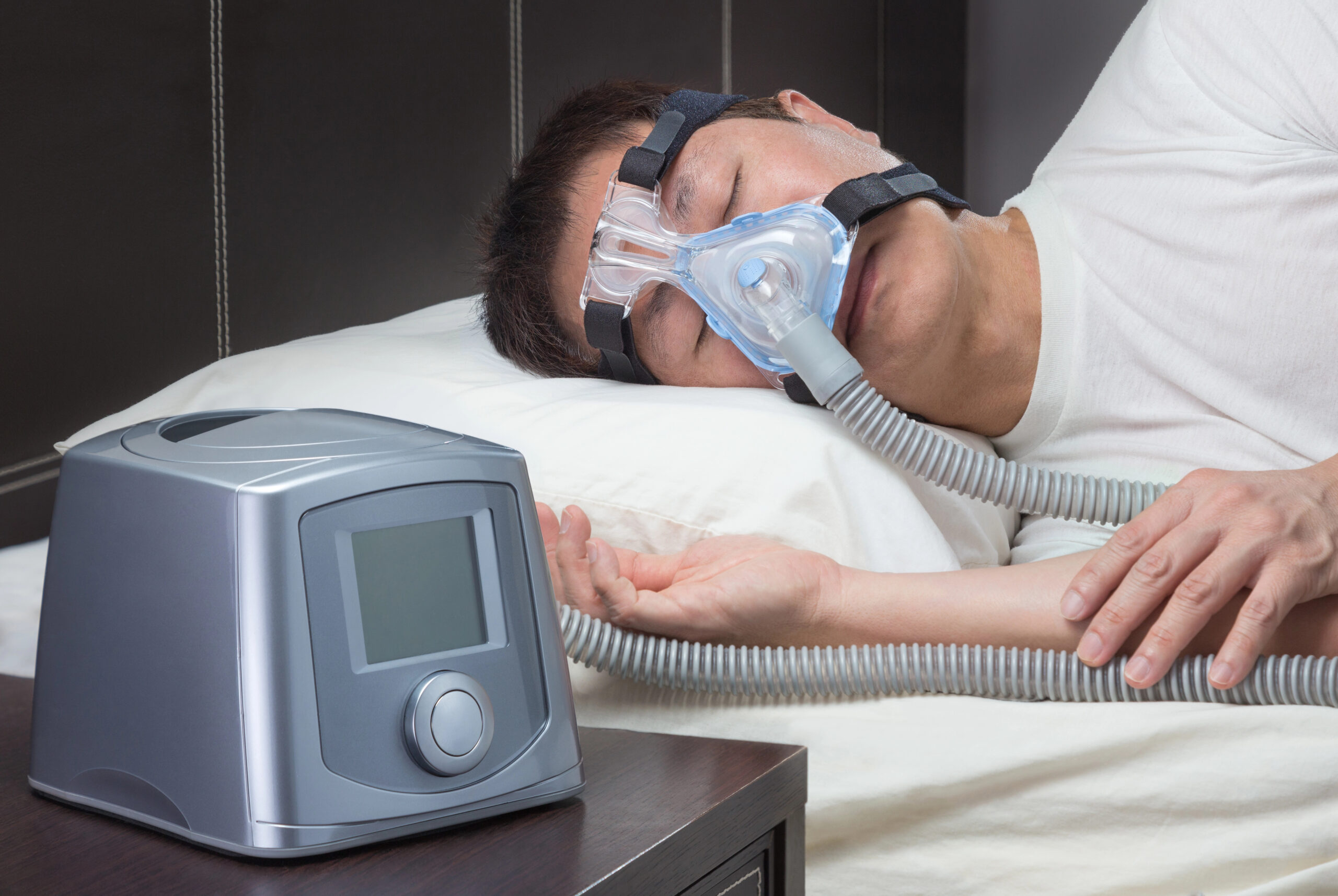
Treatment for sleep apnea can also introduce new routines and challenges to your nights.
CBT-I can help you find ways to approach those challenges differently.

Sleep Apnea and
Insomnia Can Coexist
Sleep apnea and insomnia are different sleep concerns, and it’s possible to experience both. Insomnia involves difficulty falling asleep, staying asleep, or getting back to sleep after waking during the night, even when sleep apnea is being treated.
If you’re experiencing insomnia alongside sleep apnea, CBT-I can address the thoughts, behaviors, and sleep patterns that may be making it harder to sleep, while your sleep apnea continues to be managed through your medical care.
Sleep Care That Works Together
If you’re already working with a sleep specialist or another health care provider, Carrie can communicate with your other providers so that you receive comprehensive, coordinated care.

A Closer Look at What's
Getting in the Way
CBT-I looks at the thoughts, behaviors, and expectations surrounding sleep. Depending on what's happening for you, that might mean exploring:
That might mean exploring:
What Happens When You're Awake
Waking during the night doesn't necessarily mean something is wrong. But if you become frustrated or start worrying about how much sleep you have left, it can become harder to settle back down.
How You Think
About Sleep
It's easy to become hyperaware of sleep after a diagnosis. You may find yourself thinking about whether you're sleeping deeply enough, how many hours you've gotten, or what tomorrow will feel like. CBT-I can help you notice those patterns and approach them differently.
Adjusting to Changes in Your Sleep Routine
Sleep apnea treatment can introduce new routines, equipment, or habits around bedtime. If those changes are making sleep more difficult, it can be helpful to look at what's happening and identify ways to make your routine work better for you.
What You Expect From Sleep
When you're focused on getting sleep “right,” a difficult night can feel like a setback. CBT-I can help you develop more realistic expectations around sleep and reduce some of the pressure you may be putting on yourself.
Working Through Your Sleep Concerns
Understanding what's happening with your sleep is the starting point. From there, the work focuses on the patterns, thoughts, and behaviors that may be making sleep more difficult.
-
Start With Your Sleep
Your first full session allows Carrie to learn more about your sleep, routines, experiences, and goals. You'll then begin tracking your sleep to create a clearer picture of what's happening from night to night.
-
Make Focused Changes
Your sleep patterns help guide what comes next. You may work on your sleep schedule, what happens when you're awake at night, your thoughts and expectations around sleep, or other factors that may be getting in the way. The changes you make are grounded in the science of sleep and designed to support your body’s natural sleep system and help it get back on track.
-
Review and Adjust
Follow-up sessions give you a chance to look at what's changing, talk through what's difficult, and adjust your approach. Most people work with Carrie for about 4–8 sessions following the initial intake.
-
Build Confidence Around Sleep
As you learn more about your sleep and practice new strategies, the goal is to feel more confident handling difficult nights without letting them take over your thoughts or your day.

Sleep Can Take Up
Less Mental Space
Improving sleep isn’t only about what happens between bedtime and morning.
For many people, one of the most meaningful changes after improving sleep is that they simply think about sleep less. You may still have an occasional restless night, but instead of spending the next day worrying about it—or spending the evening worrying about whether it will happen again—you can feel more confident that you know what to do.
Sleep can become something your body does rather than something you have to constantly manage.
Focused Care for Sleep Apnea-Related Concerns
Carrie Bader is an occupational therapist with a Master’s in Occupational Therapy and a Master’s in Public Health. She completed specialized CBT-I training through Stanford’s Sleep Health & Insomnia Program and is a Certified Health Education Specialist.
Her work combines sleep training with a collaborative approach to care, helping you identify changes that fit your goals.
- Master’s in OT Occupational Therapy
- Master’s in Public Health Health Education
- Stanford CBT-I Training Sleep Health & Insomnia Program
- CHES Certified Health Education Specialist


Make Room for
Better Nights
You can’t always control what’s happening in your life or whether your mind will be busy at the end of the day. Carrie can help you work on the part you can change: how those experiences affect your sleep.